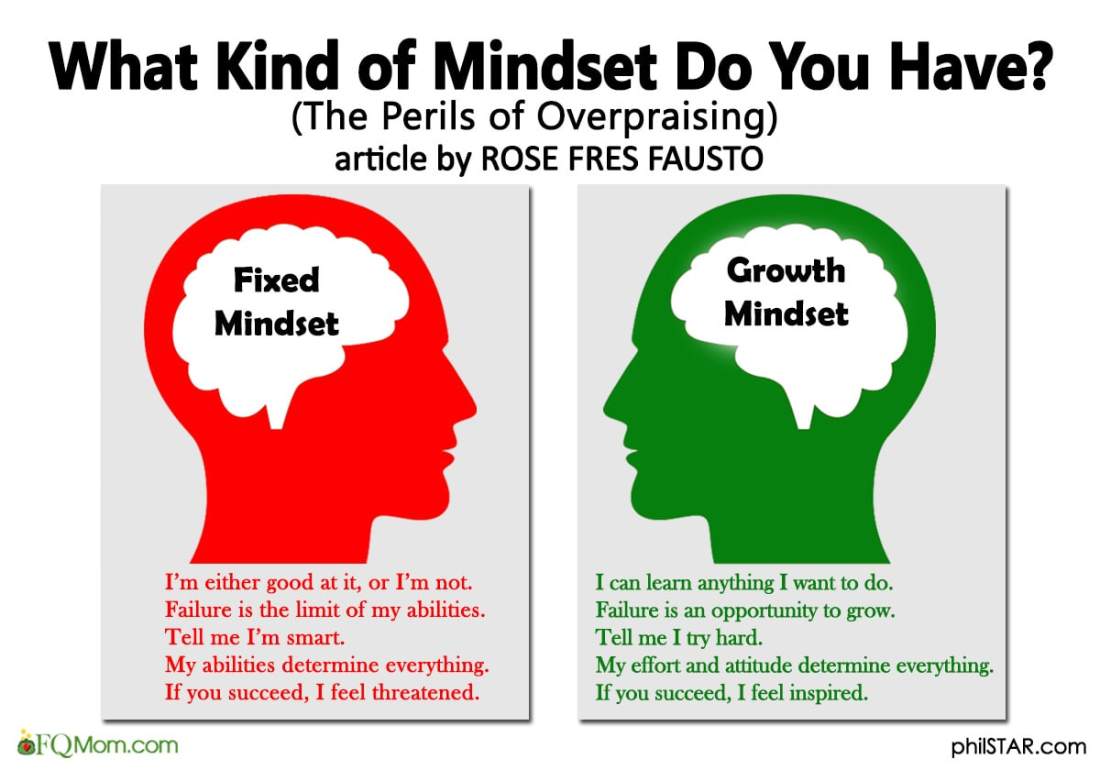
When I was in third grade I was tested for ADHD because I was never able to focus in class. They thought I might have been borderline ADHD but they did not think it was anything serious. When fifth grade rolled around, I was failing reading. My mother, lucky as I was, was a teacher of the deaf and hard of hearing who need a lot of extra support in their academic classes, so she would bring home reading materials and practice tests for me to take to improve my skills. I ended up passing due to my efforts and that translated into my performance in sixth grade math. We had a second teacher that was there to help a few students that were struggling in the class due to learning disabilities. My friend took it upon herself to ask for extra help from the second teacher while the main teacher was busy with other students. Whenever I became confused, I started doing the same, even when I did not need that much help to do well.
It was not until middle school that I started to perform well in my subjects, especially reading and English where I got A’s and was able to move on to a foreign language in eighth grade because my reading scores were high enough. Middle school was when I also started to be more involved in art. I was friends with a girl that seemed like she had a natural talent for art and I was sort of good but not at her level so I felt a bit inferior. Then the stipple (creating an image with dots) project was introduced where my teacher demonstrated that the smaller the space in between the dots the more defined the area looked, therefore, the more dots and time you put into it the better it would be. I spent a lot of time on this project, I even took it home which was not required. Mine ended up being one of the better ones in the class because I put more time into it than most other students did. I ended up doing better than my friend who started out better than me. I continued this idea when I was introduced to coping images through grid method (copying one picture by using grids on a blank sheet) that formed the basis of practicing realism. Through doing that over and over I was able to draw realistic pictures from looking at a picture without the need of the graph.
When it came to Chemistry, I really struggled. My father, however, considered that as me not trying hard enough. He is a special education math and science teacher and saw no reason for me to fail as I do not have a learning disability and all I needed was more time working with the material. I was in honors chemistry which my father was not teaching his students, so he got me a tutor who was. I hated the extra time I had to put into a subject I did not like, but it did help me pass the course. At this time (eleventh grade) I was also placed in honors English, which I was content with the level I was at and thought AP Literature would be too difficult for me. My tenth grade honors English teacher saw my mother over the summer before my senior year and asked if I was going to be in AP Lit and my mother said I was not. She then spoke with me later and encouraged me to try for AP Lit, and if I could be placed in her class, she would assist me if I was struggling. I spoke with my guidance counselor (who knew both my parents as teachers in the district) so she placed me in that teacher’s class. I ended up doing well and did not need assistance. My friend in the class who was always told she was smart so she was taught fixed mindset. She would compare herself to me a lot and I noticed especially when I saw she got a lower grade than I did. I saw how distraught she was when I outperformed her but I just tried really hard, she didn’t, she thought she would just outperform other students by her own set intelligence.
Through my experience in the public education system, I learned to have a growth mindset because of how my district treated students who did not perform as well. They encouraged improvements instead of giving up. This is something I will instill growth mindset in all of my students regardless of their level of skill to start out with. Seeing how I have progressed as a person through growth mindset is something I want everyone to be able to experience. A helpful link on growth vs fixed mindset is on developinggoodhabits.com and expands on these ideas. It does not just say how it improves student’s mindsets it shows how it leads to their own successes. A quick helpful video on the difference was made by Bryan University and was one of the first videos I saw as an introduction to this concept. The article from developinggoodhabits.com also includes a bit of information on what grit is. This is something that also contributes to a growth mindset which I first learned about through this TedTalk. She says that every one of her students, “could learn the material if they worked hard and long enough”. They had the grit to do it, just like in a fixed mindset. This is why creating that determination in students to want to try hard is so important. It directly correlates to their ow success. Some students do not have to try as hard as others, but if they learn not to try at all they will not succeed. The students who need help can and do outperform those who do not initially need the help. As long as they are taught that anything they do can be improved through hard work, they will succeed.
 Mystic Law Office